

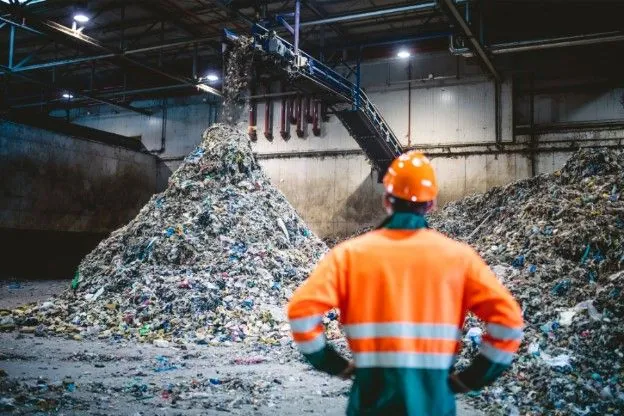
As our world grows more conscious of its environmental impact, the importance of sustainable waste management has become more prevalent than ever. Our garbage, a byproduct of our daily lives, accumulates at an alarming rate, threatening the health of our environment and, consequently, our own. Therefore, waste management’s role in recycling is paramount, acting as a key player in our bid to build a greener, cleaner planet.
So, what does waste management do with recycling? The answer is more complex than simply sorting paper from plastics. Let’s take a deep dive into how
waste management
contributes to recycling, what sustainable solutions it brings to the table, and how it aids in the mission to minimize our environmental footprint.
The Process of Recycling in Waste Management
Sustainable Solutions Through Waste Management
Conclusion
In the grand scheme of environmental sustainability, waste management’s role in recycling is substantial. By ensuring that recyclable materials are collected, sorted, and processed for reuse, these companies play a vital role in our bid to reduce waste and preserve our natural resources.
Waste management recycling
is a crucial cog in the wheel of environmental preservation.
Furthermore, the sustainable solutions they provide not only help us maintain a healthy planet but also encourage us to change our habits and adopt more eco-friendly practices in our daily lives. The benefits of recycling through waste management highlight the undeniable truth that even the tiniest gestures can have a significant impact on a more sustainable future. Remember, a greener planet starts with you – it’s as simple as putting that soda can in the recycling bin.