

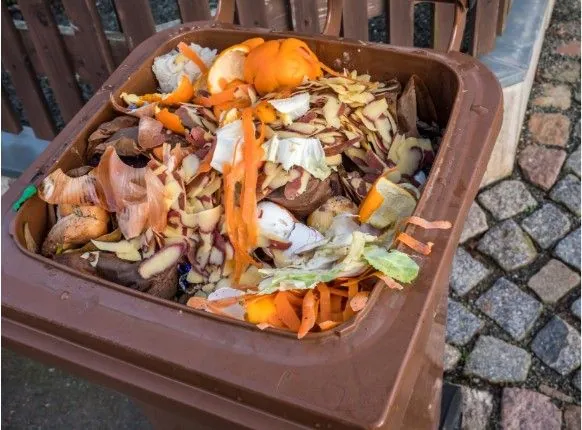
Food waste is a significant challenge that we are facing globally. In fact, it is estimated that about one-third of all the food produced in the world is wasted each year. This is a problem that not only affects the environment but also impacts the economy, society, and food security.
In the restaurant industry, food waste can significantly impact both the environment and the bottom line. Fortunately, there are practical steps that restaurants can take to reduce their food waste and increase their profitability. In this blog post, we have some useful advice and strategies to help you manage
food waste
in your restaurant and create a more sustainable and efficient business.
Preparing and Ordering Food
To effectively manage food waste, it’s crucial to start by considering how you prepare and order food. But, it’s equally important to avoid over-preparing and over-ordering, as these practices can result in excessive food waste. Instead, adopting a more strategic approach can help minimize waste and create a sustainable food system.
-
Plan Your Menu Carefully:
Ensure that your menu is designed to minimize waste. It’s essential to consider the shelf life of each ingredient and the likelihood that it will be ordered. Incorporating ingredients that can be used across multiple dishes can help prevent excess waste.
-
Accurate Inventory Tracking:
Keep track of your inventory to understand each ingredient’s consumption pace. This can be accomplished using a variety of tools such as software applications, spreadsheets, or physical tally charts. In addition to aiding with planning and ordering, it can help you identify potential inventory issues before they become a problem.
-
Order Smaller Quantities:
Ordering smaller amounts of ingredients more frequently can help you avoid over-ordering and reduce waste. This also means that you can have fresher produce ingredients, leading to better-quality dishes and a more efficient kitchen.
Storage and Handling
How to Dispose of Food Waste Responsibly
Conclusion
Managing food waste is not only the right thing to do for the environment, but it can also have significant benefits for your restaurant’s profitability and efficiency. By planning your menu carefully, only ordering what you need, properly storing and handling ingredients, and responsibly disposing of food waste, you can reduce your environmental impact, save money, and create a more sustainable business. Remember, small changes can make a big difference, so start implementing these tips in your restaurant today and see the positive impact they can have on your business and the planet.